Money Habits Start at Home: Why Teaching Your Children Early Changes Everything
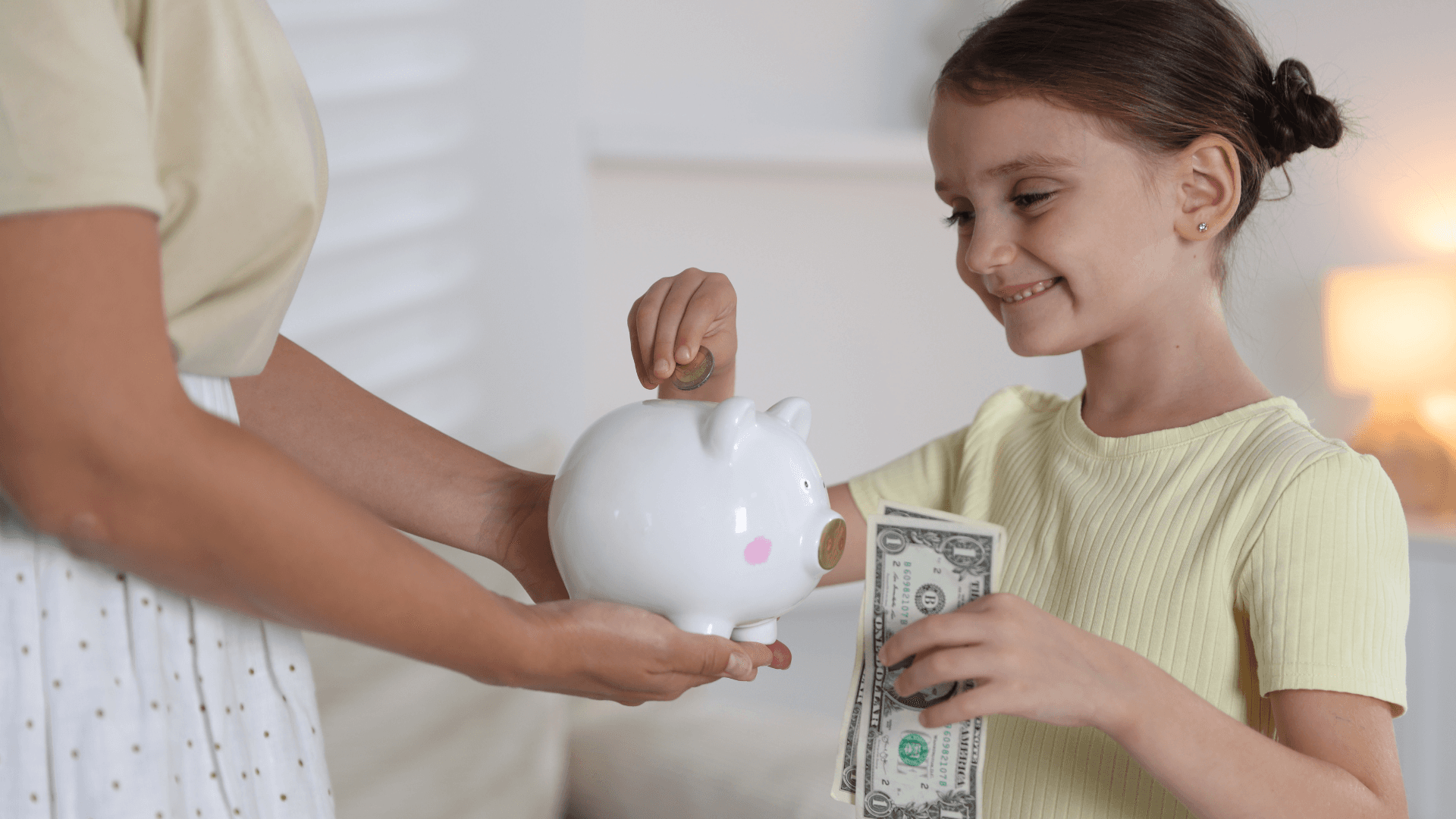
In a world where the cost of living continues to rise and financial pressure is becoming the norm, one truth stands out:
Financial habits are not learned in adulthood — they are formed in childhood.
The way children see money, use money, and think about money is largely shaped by what they observe at home. And the earlier we start instilling the right habits, the more powerful the results.
Why Money Habits Matter Early
Most adults were never formally taught how money works. Instead, they learned through trial and error—often making costly mistakes along the way.
But what if your children didn’t have to learn the hard way?
When you teach children about money early, you help them:
• Develop discipline and understand delayed gratification
• Appreciate what it takes to earn money and spend it wisely
• Build confidence in making financial decisions
• Avoid debt traps later in life
These aren’t just “nice-to-have” skills—they are life-changing foundations.
The Everyday Moments That Shape Financial Thinking
Teaching children about money doesn’t require complicated lessons or textbooks. It happens in simple, everyday moments:
• Giving them pocket money and teaching about budgeting
• Letting them save for something they really want
• Showing them how to compare prices when shopping
• Explaining household bills in an age-appropriate way
Children learn best by doing—and by watching you.
A Practical Way to Teach Money at Home
One of the most overlooked (yet powerful) ways to teach children about money is by talking to them about household expenses—especially energy.
Why?
Because it’s something they see every day:
Lights being left on
Heating being adjusted
Devices charging constantly
And most importantly—it directly impacts your finances.
With energy prices rising, involving your children in reducing waste not only saves money but builds awareness and responsibility.
In fact, families who actively track and reduce energy use can significantly cut their bills simply by changing behaviour and habits.
Turn Learning Into a Family Challenge
If you want a simple, practical way to start teaching your children both financial responsibility and real-world money habits, this is a great place to begin:
👉 Explore the Family Energy Challenge
This free course is designed for families to go through together and helps you:
Identify where energy (and money) is being wasted
Create a simple plan to reduce usage
Take action as a family
Track your progress and savings
Make learning about money fun and engaging
It’s not just about saving energy—it’s about teaching your children how money works in real life.
The Bigger Picture
When you teach your children good money habits, you’re doing more than helping them save a few pounds.
You’re giving them:
Confidence
Independence
Opportunity
And ultimately… freedom
And in today’s world, that might be one of the greatest gifts you can give.
Final Thought
Start small. Stay consistent. Involve them.
Because one day, the habits you are teaching them today will affect the decisions they make tomorrow.